Electrical Panel Upgrades: When and Why Homeowners Need Them
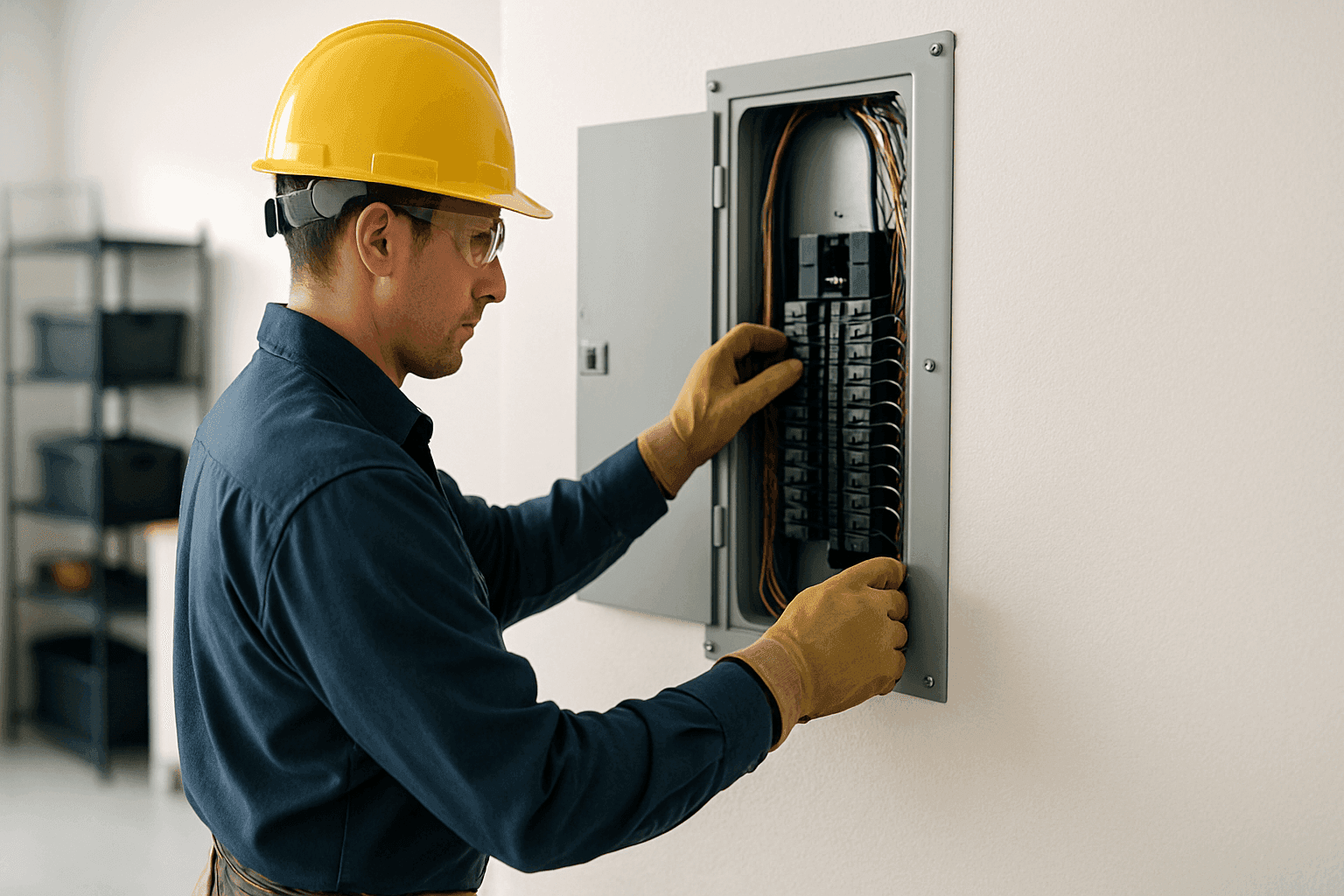
Is your home’s electrical panel quietly begging for an upgrade? For many homeowners, this silent workhorse sits hidden in a garage or hallway—easy to forget, until problems start. Flickering lights. Breakers tripping during family movie night. The faint scent of burning plastic. These are warning signs that demand attention, not just a shrug.
At Green Planet Electric, we’ve seen what happens when electrical panels are ignored for too long. We know how important it is to keep your home—and your family—safe. Let’s break down what every homeowner needs to know about panel upgrades, so you can act before minor issues become major emergencies.
Why Electrical Panels Matter More Than Ever ⚡
Think of your electrical panel as your home’s traffic cop. It directs electricity safely to every room, making sure lights, appliances, and devices get the power they need—without causing chaos. But as homes fill up with EV chargers, smart gadgets, and high-powered kitchen tools, yesterday’s panels can fall behind.
When an electrical panel is outdated, it’s like a single-lane bridge trying to handle highway traffic. Bottlenecks. Delays. Sometimes, total gridlock. And in worst cases, fire hazards.
Modern Life = More Power
Just a decade ago, a standard panel might have been enough. Today, our homes buzz with:
- Electric vehicles charging overnight
- Home automation systems and smart thermostats
- High-efficiency appliances
- Entertainment systems and gaming consoles
- Dedicated circuits for pools, spas, and outdoor kitchens
If your panel hasn’t kept up, you could be risking more than a tripped circuit. Overloading is a leading cause of residential electrical fires, according to the National Fire Protection Association (NFPA).
Common Signs Your Electrical Panel Needs an Upgrade
How do you know it’s time? Watch for these red flags:
- Flickering or dimming lights (especially when major appliances start)
- Frequent breaker trips or fuses blowing out
- Warmth, buzzing, or burning smells near the panel
- Crackling sounds coming from the box
- Rust, corrosion, or visible damage
- Old-fashioned fuse boxes or panels installed before the 1990s
- No room for new circuits when adding outlets or features
If you spot any of these, don’t wait. These symptoms mean your panel could be struggling—and your home’s safety is at risk.
Quick Safety Checklist for Homeowners
Before you reach for the phone, take a careful look:
- Is the panel hot to the touch?
- Are breakers labeled and working?
- Does the panel have a burning or chemical odor?
- Do you see any melted wires or scorch marks?
- Are there signs of water damage or rust?
If you answer "yes" to any of these, shut off power to the affected circuits if it’s safe, and contact an emergency electrician.
DIY vs. Call a Pro: Why Upgrades Aren’t for Amateurs
Replacing or upgrading an electrical panel isn’t like swapping out a light fixture. It’s more like open-heart surgery for your home’s electrical system. Even experienced DIYers can get in over their heads. Mistakes can lead to electrical shocks, fires, or insurance headaches if code compliance isn’t met.
Always call a licensed professional—especially if you need 24/7 emergency service or are searching for Low Voltage Systems near you. Electricians follow the National Electrical Code (NEC) and stay up to date on local requirements.
What Pros Do On Arrival
Here’s what to expect when Green Planet Electric shows up at your door:
Thorough Assessment
- Inspect the panel and main service line for signs of wear
- Test breakers, wiring, and grounding
- Review your home’s electrical load and future needs (EV chargers, new appliances, etc.)
- Check for code compliance and safety issues
Transparent Recommendations
We’ll explain what’s wrong, what needs upgrading, and why—using plain language. You’ll get a clear plan, so you know exactly what’s happening in your home.
Safe, Clean Installation
- Schedule power shut-off with your utility if needed
- Remove the old panel, install the new one, and connect all circuits
- Upgrade wiring or grounding if required
- Test every circuit, breaker, and outlet for safety
- Label the panel so you know what’s what
Final Inspection
A city or county inspector may review the work to ensure it’s safe and up to code. This protects you and your investment.
Prevention & Maintenance Tips
Keeping your electrical system healthy doesn’t stop with a new panel. Here’s how to avoid future headaches:
- Schedule regular safety inspections (every few years, or when buying/selling a home)
- Don’t overload outlets or use multiple power strips in one spot
- Upgrade old wiring in older homes
- Add surge protection for sensitive electronics
- Keep the area around your panel clear and dry
According to the U.S. Consumer Product Safety Commission, regular checks and upgrades are one of the best ways to prevent accidental electrocutions and house fires.
Costs & Time Factors
Electrical panel upgrades are an investment in your home's safety and future. Several factors affect the cost and timing:
- Panel size (measured in amps—more power means a bigger panel)
- Number of circuits to be added or replaced
- Condition of existing wiring and need for rewiring
- Accessibility (is your panel easy to reach, or tucked in a tricky spot?)
- Permit and inspection fees (required in most areas)
- Upgrades for code compliance (such as grounding or arc-fault protection)
- Special features like surge protection or generator transfer switches
Most upgrades take a full day, but complex jobs can last longer. Your electrician will set clear expectations before any work begins.
When It’s an Emergency
Sometimes, waiting isn’t an option. Call for 24 hour emergency electrician service if:
- You smell burning or see smoke near the panel
- Breakers won’t reset and you lose power to critical systems (fridge, medical devices, heat)
- There are visible sparks, arcing, or melted wires
- You’ve experienced flooding or water damage near the electrical system
Fast action can prevent bigger disasters. Safety always comes first.
FAQ: Electrical Panel Upgrades
What’s the difference between a fuse box and a breaker panel?
Fuse boxes use small metal fuses that melt when overloaded; breaker panels use resettable switches. Modern breaker panels are safer, more convenient, and easier to upgrade.
How often should a panel be replaced?
Most panels last 25–40 years, but heavy use, poor maintenance, or outdated models can require earlier upgrades.
Do I need to upgrade if I’m adding an EV charger or hot tub?
Often, yes. High-demand appliances can overwhelm older panels. A professional can calculate your home’s load and recommend the right solution.
What codes or standards matter?
The National Electrical Code (NEC) is the primary standard. Local building codes may add extra requirements, too.
Local & Seasonal Considerations
Weather, humidity, and seasonal storms can all affect your panel’s lifespan. In older neighborhoods or areas prone to lightning, surge protection and regular checks are especially important. If you live in a region with frequent blackouts, backup generators and transfer switches can keep your family comfortable and safe.
Don’t Wait—Your Home’s Safety Depends on It
Ignoring panel problems is like driving with your check engine light on and hoping for the best. Don’t risk it. If you’ve seen the warning signs, or just want peace of mind, reach out for a professional assessment.
Call Green Planet Electric now — or reach us anytime at 877-753-8713 .